Why SIM Registration Is Now a Big Deal
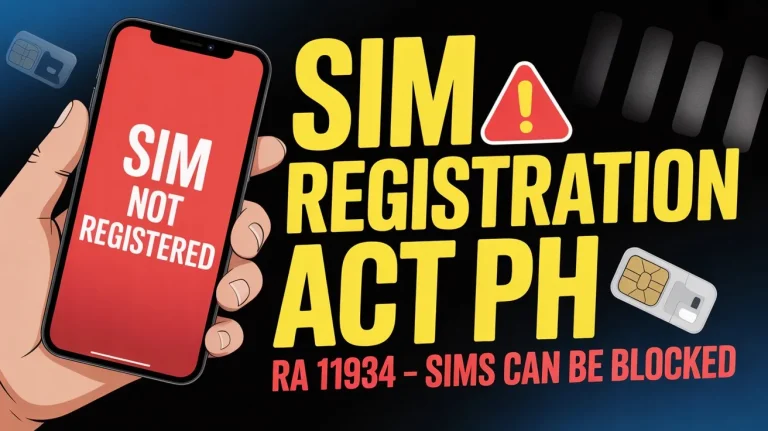
A mobile phone is more than just a tool to make calls or send messages. It gives you access to mobile banking, online shopping, emergency alerts, and even school or work. That’s why the Philippine government introduced the SIM Registration Act, also known as Republic Act No. 11934. It’s now required for everyone to register their SIM card, whether prepaid or postpaid.
Liza’s Story: One Missed Step, Everything Lost
Liza owned a small online shop and used her Smart SIM to contact buyers, receive payments, and manage deliveries. Her mobile number was linked to her GCash, social media, and even her email accounts. She saw texts reminding her to register, but she was too busy and ignored them.
One morning, her phone had no signal. She couldn’t call anyone. Her GCash stopped working. She missed out on orders and lost touch with her customers. When she called Smart support, the answer shocked her—her SIM had been permanently deactivated.
Liza’s story is just one of many. But it shows what can happen when SIM registration is taken lightly.
What Is the SIM Registration Act?
The SIM Registration Act requires all users in the Philippines to register their SIM cards with their mobile network provider. Whether you’re using a Smart, TNT, Globe, or DITO SIM, the rule applies to you.
This includes:
- Prepaid and postpaid users
- Filipinos living abroad with a roaming number
- Foreign nationals visiting or staying in the country
You can register online through your provider’s portal, app, or by dialing a code like *123# for Smart and TNT users.
What Happens If You Don’t Register?
1. Your SIM Will Be Deactivated
Once the deadline set by the government passes, all unregistered SIM cards are permanently deactivated. You will no longer be able to:
- Send or receive text messages
- Make or receive phone calls
- Use mobile data or connect to the internet
- Access services linked to your mobile number
And unlike before, you can’t get the same number back.
2. You’ll Lose Access to Apps That Rely on OTPs
Apps like GCash, Maya, online banks, and social media use your number to send OTP codes (One-Time Passwords). Without a working SIM:
- You can’t log in to your accounts
- You’ll be locked out of money transfers, purchases, and mobile banking
- You won’t be able to recover forgotten passwords
3. You Can’t Receive Emergency Alerts
During typhoons, earthquakes, or major emergencies, the Philippine government sends real-time alerts through text. But only registered SIMs will receive these messages. Not registering could leave you in the dark during critical moments.
4. You Miss Out on Free Promos and Data
Many telecom providers offer free data, rewards, and exclusive promos for users who complete their SIM registration. By not registering:
- You lose these bonuses
- You can’t join app-based offers from GigaLife or GlobeOne
- You miss out on early notifications for new promos
Who Needs to Register?
Everyone using a SIM in the Philippines must register it. That includes:
- Locals using prepaid or postpaid plans
- Students and workers using data-only SIMs
- Overseas Filipinos with roaming SIMs
- Foreign nationals with a temporary or tourist SIM
What You Need to Register
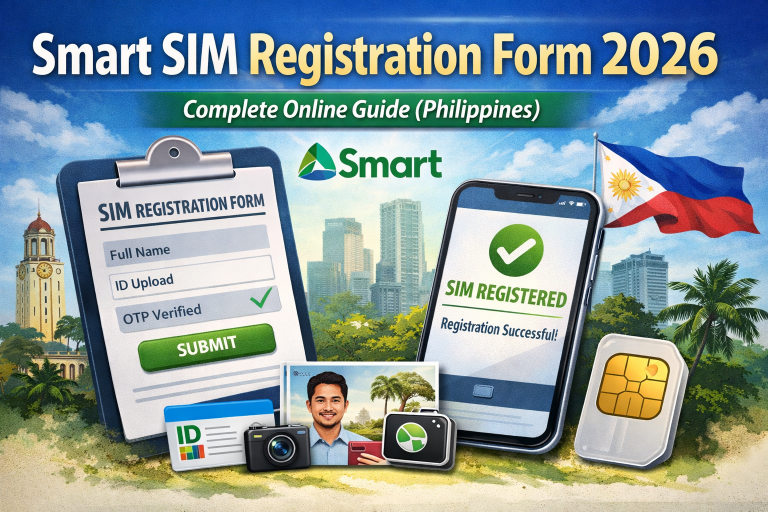
To complete the SIM registration process, prepare the following:
- A valid government-issued ID (Philippine National ID, driver’s license, passport, etc.)
- Your full name, date of birth, and address
- Your active SIM card and mobile phone
- A clear selfie photo for verification
- Access to your provider’s registration portal or app
For Smart and TNT users, go to:
👉 https://simreg.smart.com.ph
For Globe users, visit:
👉 https://new.globe.com.ph/simreg
What to Do If Your SIM Is Already Deactivated
If you missed the deadline and your SIM was already deactivated, unfortunately:
- You cannot reactivate that number
- You will have to buy a new SIM
- You must register it right away before using it
You’ll also need to update your number across all your apps and accounts, which can be time-consuming and frustrating.
Data Privacy and Protection
Some people fear that registering gives away too much personal data. But under the Data Privacy Act of 2012, mobile networks are required to:
- Store your data securely
- Use it only for verification
- Prevent any misuse or leaks
So registering is actually a step toward protecting your identity not exposing it.
Final Thoughts
The SIM Registration Act is not just another rule it’s now part of how we stay secure and connected. It helps the government stop crime and gives you safer, more trusted access to services.
Failing to register your SIM means more than just losing your number. It could affect your business, your online life, and even your safety.
Take a few minutes today. Register your SIM. Stay connected. Stay protected.