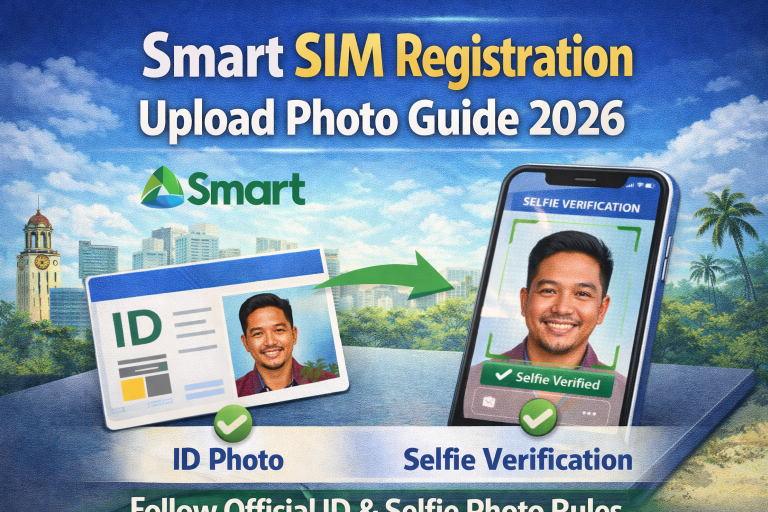
Mobile phones power daily life in the Philippines. People rely on them for work, banking, education, and family communication. To protect users and reduce misuse, the government introduced the SIM Registration Act as a nationwide requirement. This law changed how mobile numbers work, who can use them, and what happens when users ignore registration rules. Understanding these rules helps Filipinos avoid service disruption and stay compliant with national policy.
What the SIM Registration Act Requires From Mobile Users
Under the SIM Registration Act, every active mobile number must be linked to a real person. The law applies to prepaid and postpaid subscribers, including foreign nationals using local SIM cards. Registration confirms identity using valid documents and accurate personal details. Without proper registration, mobile numbers no longer remain anonymous, and telecom companies must restrict service access.
The requirement supports accountability across networks and ensures that each number has a verified owner. This system allows authorities and providers to trace misuse while protecting legitimate users.
Key Provisions of the SIM Registration Act Explained
The core rule of the SIM Registration Act is simple. No registration means no service. Users must submit their full name, date of birth, address, and a government-issued ID. Telecom providers verify this data before allowing continued access. Registration happens once unless the subscriber updates their information or replaces a SIM.
The law sets clear deadlines and instructs providers to suspend or block unregistered numbers. These provisions apply equally across all networks to maintain fairness and consistency.
Why the Government Enforced the SIM Registration Act
The government introduced the SIM Registration Act to address growing digital threats. Scam messages, identity fraud, and anonymous crimes increased over the years. Unregistered SIM cards made enforcement difficult. By requiring identity verification, the law strengthens national security, improves fraud prevention, and promotes responsible mobile use.
This approach mirrors policies already in place across many countries. It balances public safety with user privacy by limiting access to verified parties only.
Who Must Follow SIM Registration Rules
Every mobile subscriber must comply. This includes prepaid users who buy load-based SIMs, postpaid customers with monthly plans, and foreigners staying temporarily in the country. Tourists and short-term visitors register using passport details with limited validity. Long-term residents follow the same process as Filipino citizens.
Telecom companies enforce these rules uniformly, ensuring equal treatment across customer types.
Penalties Defined Under the SIM Registration Act
Ignoring the SIM Registration Act leads to consequences. First comes service suspension. Calls, texts, and data access stop. Continued non-compliance results in permanent SIM blocking. Once blocked, users lose the number entirely and must purchase a new SIM.
The law places responsibility on subscribers to act before deadlines. Telecom providers follow strict enforcement timelines set by regulation.
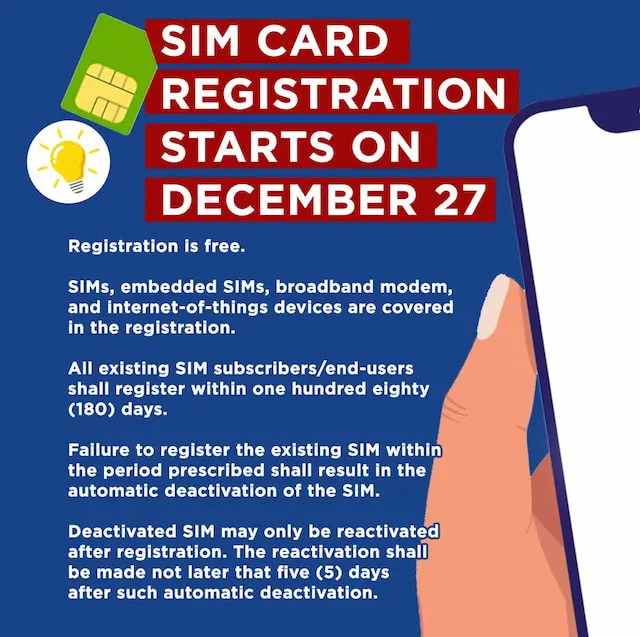
How Telecom Companies Implement the SIM Registration Act
Telecom firms apply the SIM Registration Act through automated systems and manual verification. They collect user data, validate documents, and monitor registration status. Networks run compliance checks and control service access based on registration results.
This process ensures consistent enforcement while minimizing errors. Providers must also protect customer data under privacy standards.
How to Stay Compliant and Avoid SIM Deactivation
To avoid issues, register early and use official registration channels only. Double-check personal details before submission. Keep confirmation records. If details change, update them promptly. Following these steps keeps your number active and compliant under the SIM Registration Act.
Staying informed protects your access and prevents unnecessary disruptions.
The SIM Registration Act requires every mobile user in the Philippines to register their SIM to keep services active and secure. Following the rules early helps you avoid suspension, protect your identity, and stay compliant with the law.