A 16-year-old student buys a prepaid SIM to attend online classes, receive school updates, and log in to learning apps. Months later, the number suddenly stops working. No signal, no data. The problem is simple. The SIM was never registered correctly.
Many students face the same issue because they do not understand the rules behind Smart SIM Registration for Students. When a number gets blocked, access to classes, OTP codes, and important alerts disappears instantly. This section explains how the law applies to young users and the exact steps needed to stay compliant and avoid service suspension.
Why SIM Registration for Students Matters in 2026
In the Philippines, the SIM Registration Act under Republic Act No. 11934 requires all mobile users to register their SIM cards. The National Telecommunications Commission enforces this law across networks like Smart, Globe, TNT, TM, and DITO.
For students, mobile numbers link to online portals, learning management systems, digital wallets, and messaging apps. When a number gets blocked, access to these services stops immediately.
SIM Registration for Students ensures that each mobile number connects to a verified identity. It reduces anonymous misuse, strengthens fraud prevention, and supports national security. At the same time, it keeps young users safe from SIM-based scams and identity theft.
Who Needs SIM Registration for Students
High School and College Students Using Prepaid SIM Cards
Most students use prepaid SIM cards. They buy load when needed and control spending. Under the law, every prepaid subscriber must complete registration before using services fully.
For minors under 18, parents or legal guardians often handle registration. Telecom providers may require guardian information, government-issued ID, and proof of relationship. This ensures lawful SIM ownership while protecting young users.
Students who ignore registration risk SIM deactivation, service suspension, or permanent SIM blocking.
Students With Postpaid Plans
Some college students use postpaid plans under their own name. Others use plans registered under a parent. For postpaid accounts, telecom companies perform account holder verification and subscriber identity checks before activating the line.
If the account holder fails to update information, the network may restrict service. Registration status affects billing, access, and data usage.
SIM Registration for Students applies equally to prepaid and postpaid users.
What Information Students Must Prepare
Telecom providers require accurate details for identity verification. Students must provide full name, date of birth, address, and a valid government-issued ID such as a school ID, passport, national ID, or driver’s license.
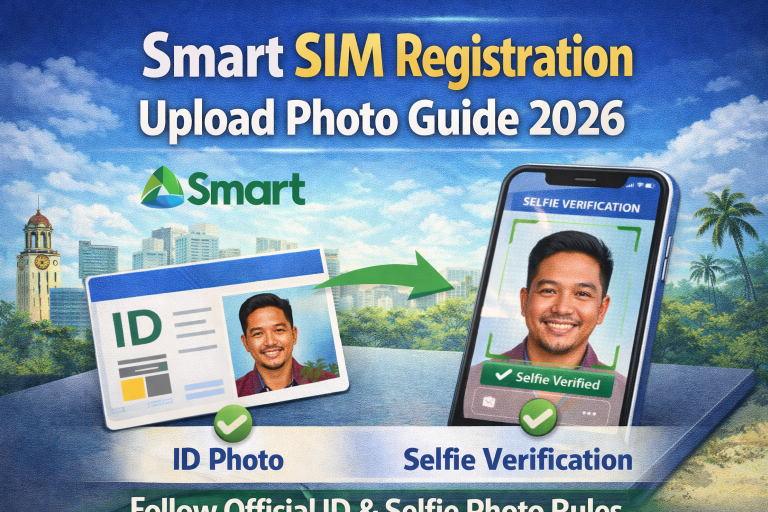
The registration process often includes uploading an ID photo and a selfie for biometric matching. Networks use data matching systems to verify authenticity. Any mismatch delays activation.
For younger students without formal IDs, parents may register the SIM under their own name. In that case, the guardian assumes legal responsibility for usage.
How the Registration Process Works
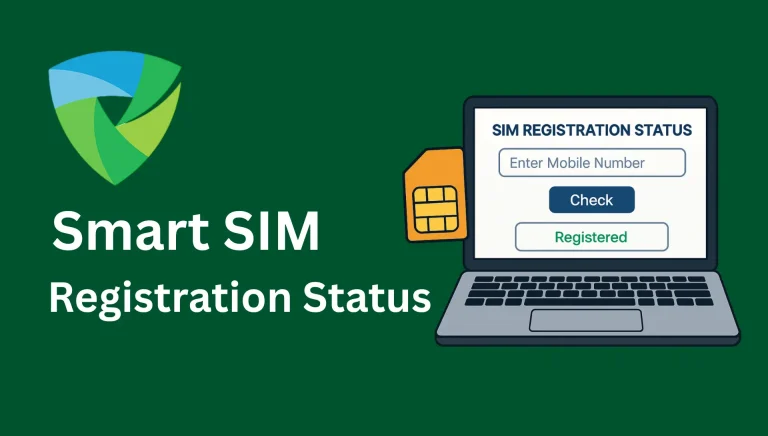
Most networks offer online registration through official portals. Students enter personal information, upload required documents, and confirm details. After submission, the system sends a registration reference number as proof.
Telecom providers then conduct compliance checks. If data matches records, they confirm activation. If errors appear, they request resubmission.
Students should avoid third-party websites or unofficial links. Fraud prevention remains a major concern in the telecommunications sector.
Common Problems Students Face
Many young users rush through forms and enter incorrect information. Small mistakes, such as wrong date of birth or blurry ID upload, cause rejection.
Another issue involves expired IDs. Networks require valid identification. Submitting outdated documents triggers verification failure.
Some students believe registration happens automatically when they buy a SIM. That assumption leads to unregistered SIM status and eventual service suspension.
Understanding SIM Registration for Students helps prevent these avoidable mistakes.
Legal Consequences of Ignoring Registration
The SIM Registration Act sets strict enforcement measures. Networks must deactivate unregistered numbers after official deadlines. Once deactivated, students lose calls, texts, and mobile data.
If the user still fails to register, the provider blocks the SIM permanently. Recovering the same number becomes impossible.
This regulation supports telecom accountability and national security goals. Authorities aim to reduce scams, phishing attempts, and fraudulent activities linked to anonymous numbers.
How SIM Registration Protects Students
Students often receive scam messages promising scholarships, job offers, or online prizes. Registered SIM ownership makes it easier to trace fraudulent activity and discourage misuse.
Verified subscriber identity strengthens public safety and protects digital classrooms from harassment.
When students register properly, they reduce exposure to identity theft and financial fraud.

Special Considerations for Foreign Students
Foreign nationals studying in the Philippines must also register their SIM cards. Temporary SIM registration usually requires passport-based verification and visa documentation. Networks limit validity based on authorized stay duration.
Failure to comply results in service restriction.
Updating Details After Registration
Students change addresses, schools, and sometimes names. When personal information changes, they must update subscriber details through official channels.
Keeping information accurate ensures compliance and prevents verification issues later.
Best Practices for Safe SIM Use
Use official telecom portals only. Double-check spelling before submitting forms. Store the registration confirmation message. Keep copies of uploaded documents.
Parents should monitor SIM usage for minors. Schools may also educate students about safe mobile practices and fraud awareness.
Following these steps strengthens compliance and avoids unexpected service interruption.
SIM registration protects your access to calls, data, and school communication, so do not delay the process. Register early, use official channels, and keep your SIM active without interruption.