If you’re a mobile user in the Philippines, you may have heard that SIM cards must now be registered or risk being deactivated. This requirement is not a rumor or a marketing move by telecom companies. It is a legal obligation designed to protect users from scams, fraud, and identity abuse.This guide explains why SIM registration law is required, who must comply, and how the process works, using clear language and verified information so you can stay connected without fear of scams, data misuse, or unexpected service disruption.
Why the SIM Registration Law Exists
The SIM Registration Law was introduced in response to a sharp rise in digital fraud across the Philippines. For years, criminals exploited anonymous SIM cards to carry out scams that harmed individuals, businesses, and even government systems.
Under this government mandate, every active SIM card must now be linked to a verified identity. The goal is not surveillance, but consumer protection and accountability.
Key reasons the law exists include:
Security risks the law addresses:
By linking SIMs to real identities, authorities can trace illegal activity more effectively while deterring abuse in the first place.
Who Must Comply with the SIM Registration Law?
The law applies broadly to ensure fairness and effectiveness. All mobile users—regardless of age, location, or plan type—must register their SIM cards.
This includes:
From a telecom standpoint, this ensures that all mobile subscribers operate under the same security standards, whether they use a prepaid SIM for daily calls or a postpaid SIM for business and data-heavy use.
Registration requirements are the same across providers and are designed to be accessible, with allowances for assistance by family members or caregivers when needed.
How the SIM Registration Law Works
The SIM registration process is designed to be simple, secure, and mostly online. While exact steps may vary slightly by provider, the core process is consistent across the industry.
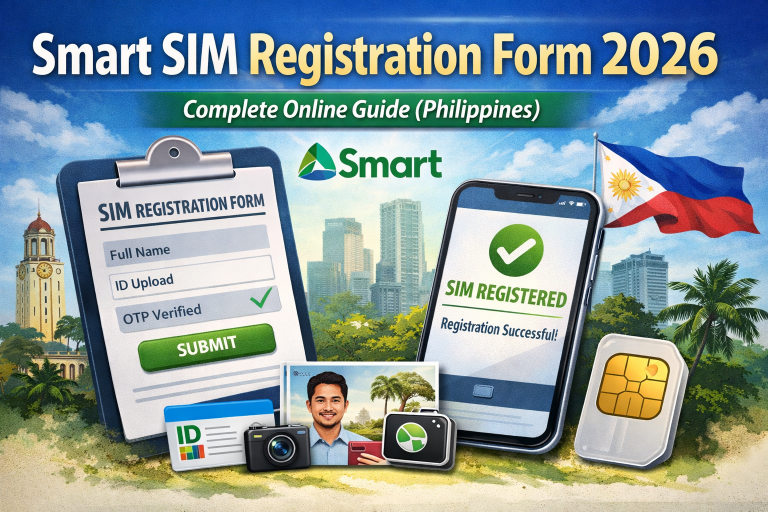
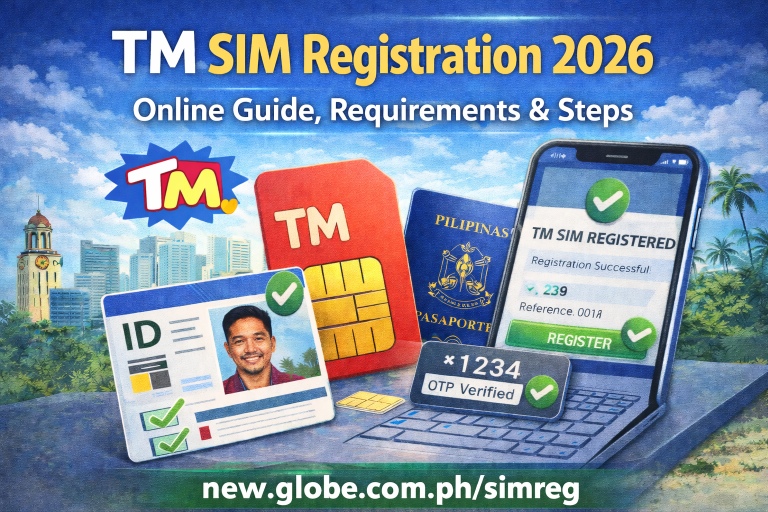
Step-by-step overview:
- Enter your mobile number on your provider’s official registration platform
- Receive and confirm a one-time password (OTP) via SMS
- Provide basic personal details (name, birthdate, address)
- Upload a valid government-issued ID
- Submit a clear selfie for identity verification
- Receive confirmation that your SIM is successfully registered
This process applies to all mobile subscribers, whether they are prepaid users, postpaid users, or tourists using temporary local SIMs.
Role of Telecom Companies & Authorities
The successful implementation of the SIM registration framework depends on close coordination between government bodies and the telecommunications sector. The Department of Information and Communications Technology (DICT) provides overall policy direction and ensures that the law supports national digital safety goals. The National Telecommunications Commission (NTC) acts as the primary regulator, issuing guidelines, monitoring compliance, and enforcing registration deadlines.
Telecom regulators work alongside law enforcement agencies to investigate misuse of registered numbers and support lawful requests related to criminal activity. On the operational side, mobile network operators and telecom companies are responsible for building secure registration platforms, verifying identities, maintaining accurate subscriber records, and educating users about compliance. This shared responsibility ensures consistency, accountability, and nationwide coverage.
Privacy & Data Protection Under the Law
A common concern among users is how personal information is handled. The law prioritizes safer mobile communication by requiring strict safeguards for user data. Registration systems are designed to limit access, encrypt sensitive information, and prevent unauthorized use.
Key protections and outcomes include:
From a security standpoint, the framework supports fraud prevention and identity protection, ensuring personal data is used only for lawful verification purposes and not for commercial exploitation.
Benefits of the SIM Registration Law?
For everyday users, compliance brings practical advantages:
By registering, users reduce the chance of SIM deactivation and avoid unexpected issues that could affect calls, messages, or data access. The law strengthens the overall mobile ecosystem while keeping legitimate users protected.
Consequences of Not Registering
Failing to register a SIM card has clear consequences. Unregistered numbers are subject to SIM deactivation, which leads directly to service interruption. This means no calls, no texts, and no mobile data until registration is completed if reactivation is still allowed.
Common Challenges & Solutions
SIM registration is generally simple, but some users face avoidable issues. Below are the most common problems and their practical solutions.
Customer support delays: Unclear next steps when errors occur
Solution: Contact official telecom support channels or follow guidance issued by authorities.
Seniors: Difficulty using online forms or apps
Solution: A trusted family member or caregiver may assist with registration.
OFWs: Unstable internet or delayed verification while abroad
Solution: Use official registration portals during off-peak hours and ensure roaming or SMS access is active.
OTP issues: Delayed or missing one-time passwords
Solution: Check signal strength, confirm the correct number, wait a few minutes before requesting a new OTP.
Online registration problems: Website errors or failed uploads
Solution: Switch browsers or devices, clear cache, and upload clear ID photos.
The SIM registration law keeps your phone secure and active. Juan’s story shows it’s easy to comply with the right steps. Register via Smart’s portal or app to avoid deactivation and enjoy safer connectivity. Don’t wait start today and keep your mobile number safe!